
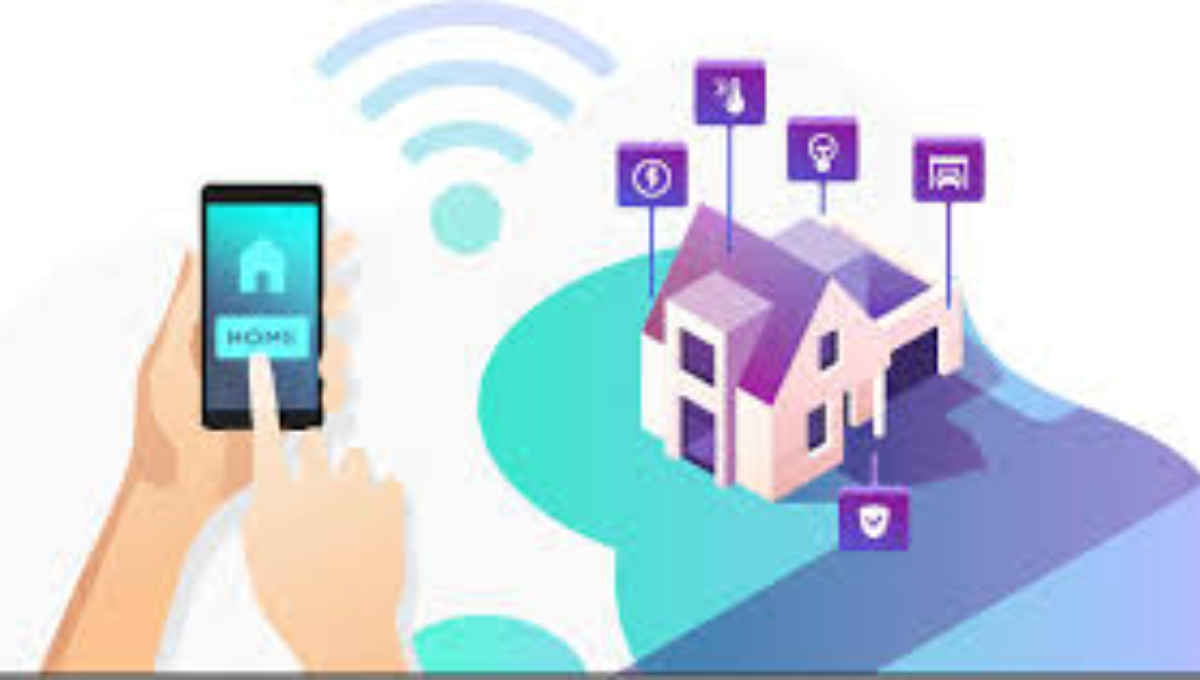
“How Does Home Automation Work” is a common question asked by many when witnessing their lights being turned on automatically or doors locked without any physical movement. Initially, it might seem like some kind of magic, but it is just a system based on guidelines, sensors, and interconnected gadgets. On the other hand
The easiest way to put it into perspective is that home automation enables your home to behave in a manner that does not require you to have your hands all over everything. All you need to do is to give out instructions beforehand. On the other hand
What Is Home Automation (Core Concept Explained Simply)

Home automation means your home devices can act on their own based on rules. You do not need to control everything manually. Instead, the system listens, thinks, and reacts.
This system connects different devices like lights, fans, cameras, and sensors. When something happens, the system responds instantly. For example, when it gets dark outside, your lights may turn on automatically without you touching anything.
It is not about luxury anymore. It is about saving time and reducing daily effort. On the other hand
How Home Automation Works (Step-by-Step System Flow)

Home automation works in a simple chain. Something triggers the system. Then a rule checks what to do. After that, the action happens automatically. However
Think of it like a reflex in your body. You touch something hot, and you pull your hand away instantly. The system works in a similar way, but with devices instead of nerves.
Here is a simple flow: However
Trigger → Condition Check → System Decision → Action → Result
For example, motion is detected at night. The system checks time. If it is late, the light turns on automatically. Everything happens in seconds without you doing anything.
Core Components of Home Automation Systems
Every home automation system is built from a few important parts. These parts work together like a team. Without one, the system becomes incomplete. Moreover
Sensors detect what is happening around you. Controllers decide what should happen. Devices perform the action. Networks connect everything so they can communicate.
| Component | Function | Example |
| Sensors | Detect changes | Motion sensor |
| Controller | Makes decisions | Smart hub or app |
| Devices | Perform actions | Smart bulb |
| Network | Connects everything | Wi-Fi or Zigbee |
Each part plays a specific role. Together, they create a smooth automated experience. Moreover
Types of Automation (How Triggers Work in Real Life)

Automation is not one single system. It works in different ways depending on how it is triggered. The most common type is time-based automation. This means actions happen at a fixed time every day.
Sensor-based automation reacts to real-world changes like movement or temperature. Manual automation still needs a tap or voice command. Location-based automation works when you enter or leave a place. Moreover
For example, your AC may turn on when you reach home. That is location-based automation working silently in the background. In addition
Communication Technologies (How Devices Talk to Each Other)

Home automation depends on communication. Devices must talk to each other without confusion. This happens through different technologies.
Wi-Fi is the most common option. It is easy to use and available everywhere. Zigbee and Z-Wave are more stable for large setups. Bluetooth is used for short-range connections.
Each technology has strengths and limits. Wi-Fi is simple but uses more power. Zigbee uses less power but needs a hub. In addition
Smart Hubs and Ecosystems (The Control Center)

A smart hub is like the brain of your home. It connects all devices into one system. Without it, devices may work separately.
Ecosystems like Google Home or Amazon Alexa help devices work together. They allow one app or voice assistant to control everything. In addition
In large setups, hubs improve stability. However, small setups can work without them. It depends on how many devices you use.
Automation Rules and Logic (The Real Intelligence)

Rules are the most important part of automation. They decide what happens and when it happens. Without rules, nothing would be automatic. In addition
A basic rule follows a simple structure. If something happens, then do something else. This is the foundation of all automation systems.
For example, if motion is detected after 10 PM, turn on hallway lights. These rules make life easier because they remove repetitive tasks. In addition
Real-Life Examples of Home Automation

Home automation becomes clear when you see real-life use. In the morning, your curtains may open automatically. Your coffee machine may start brewing without you pressing a button. Meanwhile
At night, lights may dim slowly as you prepare to sleep. Security systems may lock doors and activate cameras automatically.
Here is a simple case study: Meanwhile
A working parent installs smart lights and a smart lock. Every evening, lights turn on before they arrive home. The door unlocks automatically when they reach the gate. It saves time and removes stress from daily routine.
Benefits of Home Automation (Real Value Only)

Home automation is not just about convenience. It changes how you interact with your home. It reduces manual effort and helps you focus on more important things.
It also improves energy efficiency. Devices turn off when not needed. This reduces electricity waste. Security becomes stronger because you get instant alerts. Meanwhile
Limitations and Challenges (Realistic View)

Home automation is helpful but not perfect. Setup can feel confusing at the start. Some devices may not connect easily.
Internet problems can break automation temporarily. Cost can also be high if you buy too many devices at once. Compatibility issues may happen if brands do not match.
Security and Privacy in Automation Systems

Security is a very important part of home automation. Since devices are connected to the internet, they can be exposed if not protected properly. In contrast
Strong passwords and updates are essential. Avoid unknown brands. Always secure your Wi-Fi network.
As experts say,
“A smart home is only as secure as its weakest device.”
Cost Breakdown of Home Automation Systems
Cost depends on how advanced your setup is. A basic system is affordable. A full smart home can be expensive.
| Level | Cost Range | What You Get |
| Basic | Low | Smart bulb or plug |
| Mid-Level | Medium | Lights, sensors, basic control |
| Advanced | High | Full automation system |
Starting small is always better. You can expand later without pressure.
CHEACK : https://smaartlivingtech.com/what-is-smart-home-technology-complete-practical-guide-that-covers-what-actually-matters/
How to Get Started with Home Automation

Starting home automation is easier than most people think. You do not need a full system at the beginning.
Start with one device like a smart bulb. Learn how it works. Then add more devices slowly. Choose one ecosystem and stay with it.
This approach helps you avoid confusion and keeps your system stable.
Future of Home Automation

The future of home automation is focused on intelligence. Systems will learn your habits. They will adjust automatically without manual setup.
Energy use will become more efficient. Security systems will become faster and smarter. Everything will feel more connected and natural.
However, progress will be gradual. It will improve step by step, not overnight.
FAQs
About Home AutomationWhat is home automation?
It is a system where devices work automatically using rules and triggers.
Does home automation need the internet?
Yes, most systems depend on an internet connection.
Is home automation expensive?
It can be costly at first, but you can start small and grow over time.
Is it safe to use smart devices?
Yes, it is safe if you follow strong security practices.
Can I start with one device?
Yes, even one smart bulb is enough to begin.
Conclusion
How Does Home Automation Work becomes easy to understand when you break it into simple parts. It uses triggers, rules, and actions to automate daily tasks. It saves time, improves comfort, and adds convenience to life.
It is not complicated once you start using it. You begin small and grow step by step. Over time, your home starts working for you instead of you working for it. That is the real power of home automation.
